




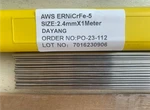

E316L SS
Chemical Properties The chemical properties determine the corrosion resistance foundation of the electrode. The core difference lies in carbon content , while other alloying elements (chromium, nickel, molybdenum, etc.) provide key support for corrosion resistance. The specific indicators are...
Send Inquiry
Product Introduction
Chemical Properties
The chemical properties determine the corrosion resistance foundation of the electrode. The core difference lies in carbon content, while other alloying elements (chromium, nickel, molybdenum, etc.) provide key support for corrosion resistance. The specific indicators are shown in the table below:
| Element | Unit | E316 Electrode | E316L Electrode | Performance Significance |
|---|---|---|---|---|
| Carbon (C) | ≤% | 0.08 | 0.04 | Core difference: The low-carbon design of E316L reduces "chromium carbide precipitation" during welding, fundamentally improving intergranular corrosion resistance; E316 relies on process control to mitigate the negative effects of carbon. |
| Chromium (Cr) | % | 16.0–18.0 | 16.0–18.0 | Forms a passive film (Cr₂O₃), which is the core element for oxidation resistance and general corrosion resistance. |
| Nickel (Ni) | % | 10.0–14.0 | 10.0–14.0 | Stabilizes the austenitic structure, improves material ductility and low-temperature toughness, and assists in corrosion resistance. |
| Molybdenum (Mo) | % | 2.0–3.0 | 2.0–3.0 | A key element for pitting/crevice corrosion resistance, enhancing tolerance to chlorides (e.g., seawater, hydrochloric acid). |
| Manganese (Mn) | ≤% | 2.5 | 2.5 | Improves welding arc stability, inhibits hot cracking, and has no significant impact on corrosion resistance. |
| Silicon (Si) | ≤% | 0.90 | 0.90 | Acts as a deoxidizer, reducing welding porosity and improving weld density. |
| Phosphorus (P) | ≤% | 0.045 | 0.045 | An impurity element that must be strictly controlled (excessive content reduces impact toughness and increases cold cracking risk). |
| Sulfur (S) | ≤% | 0.030 | 0.030 | An impurity element that must be strictly controlled (excessive content causes hot cracking and deteriorates corrosion |
| Performance Indicator | Unit | E316 Electrode | E316L Electrode | Performance Significance |
|---|---|---|---|---|
| Yield Strength (Rp₀.₂) | MPa | ≥205 | ≥205 | The critical stress at which the material begins to undergo plastic deformation, determining the structure's resistance to "permanent deformation". |
| Tensile Strength (Rm) | MPa | ≥550 | ≥550 | The maximum stress the material can withstand before fracture, serving as the core indicator of the structure's load-bearing capacity. |
| Elongation (A) | % | ≥30 | ≥30 | Reflects the material's ductility (deformation capacity before fracture). Higher elongation indicates stronger resistance to brittle fracture and hot cracking. |
Hot Tags: e316l ss, China, manufacturers, suppliers, factory, company, wholesale, discount, buy, low price, high quality, products
Previous
E7024 RodYou Might Also Like


Send Inquiry