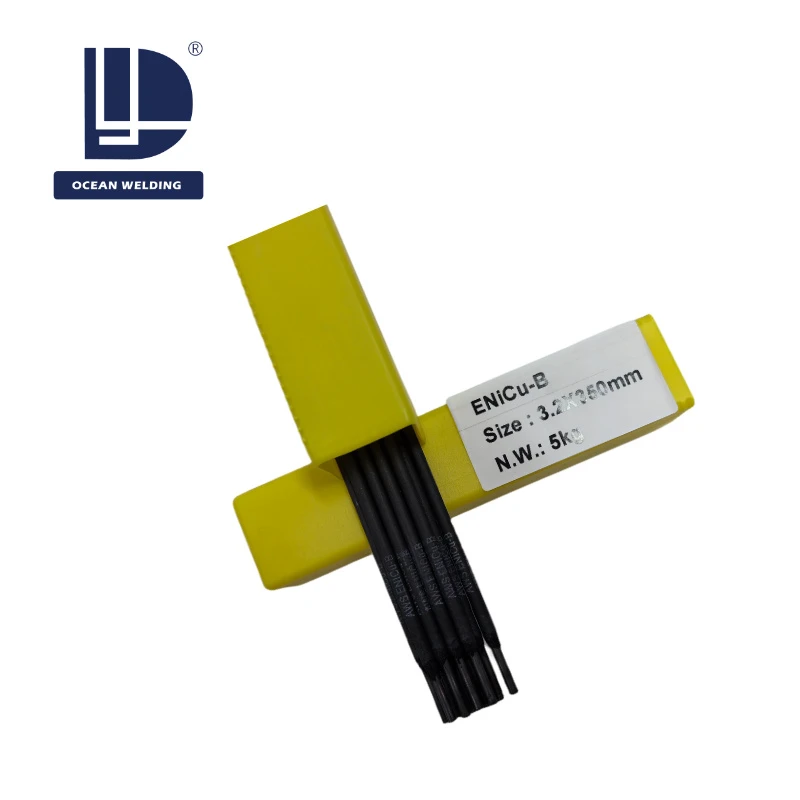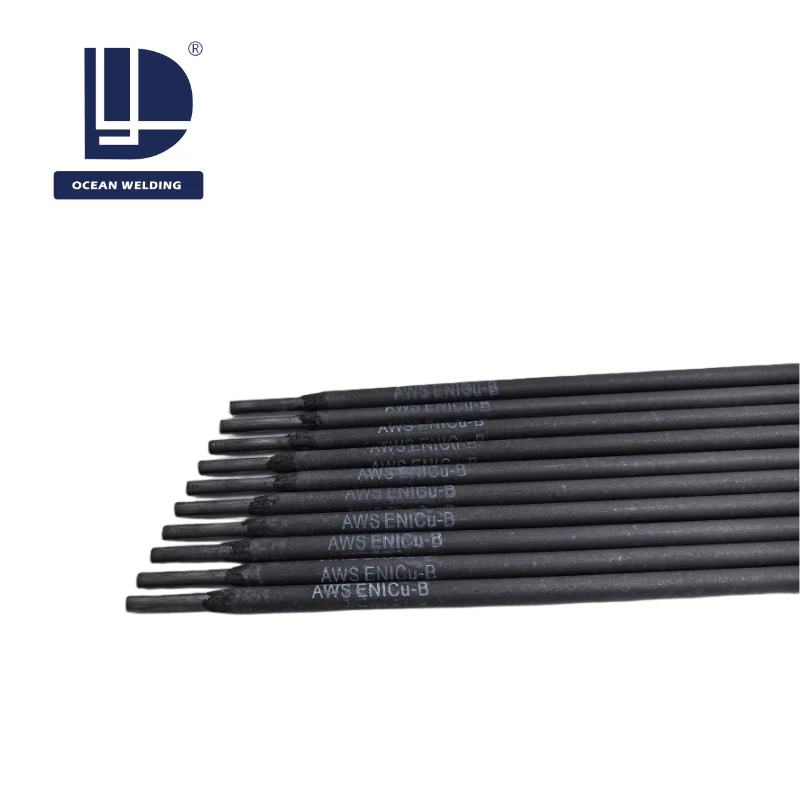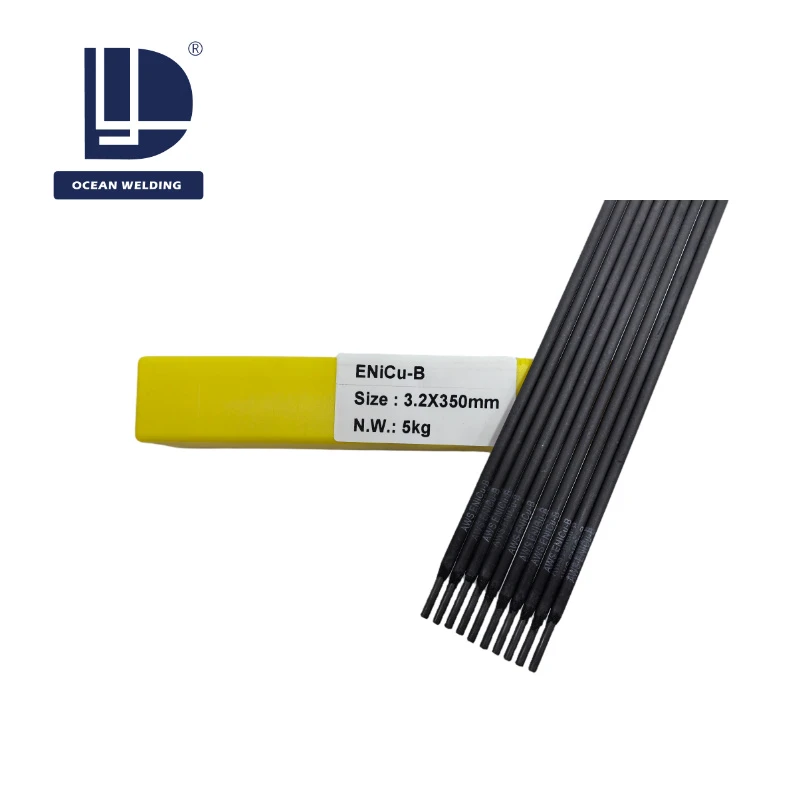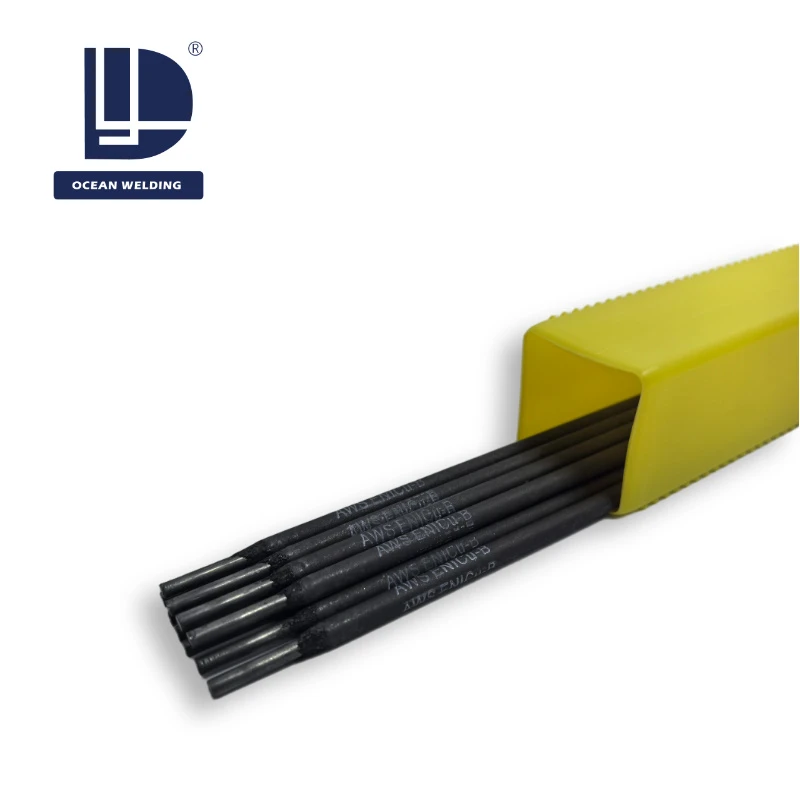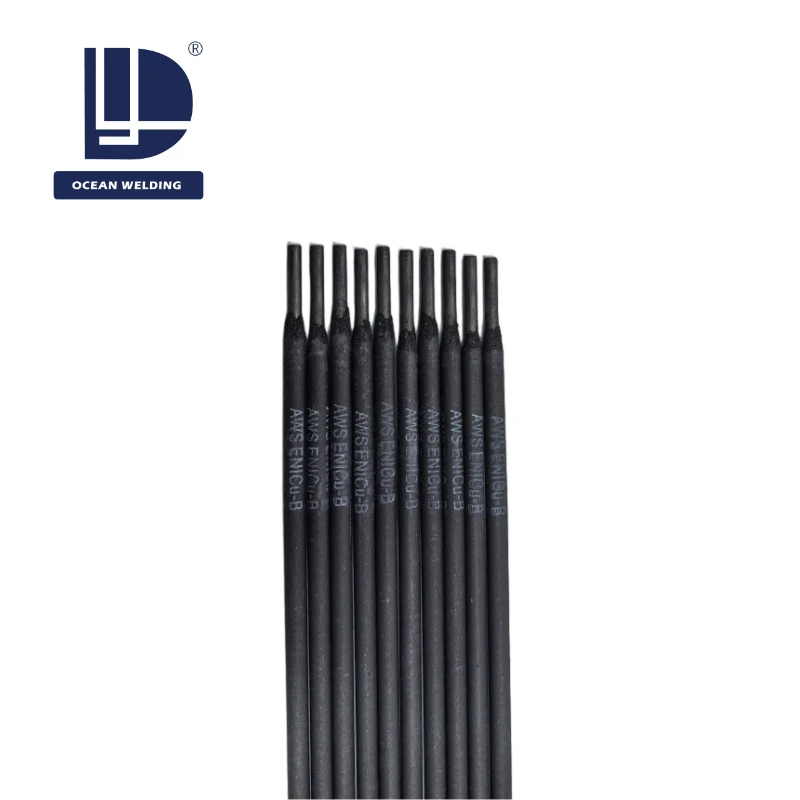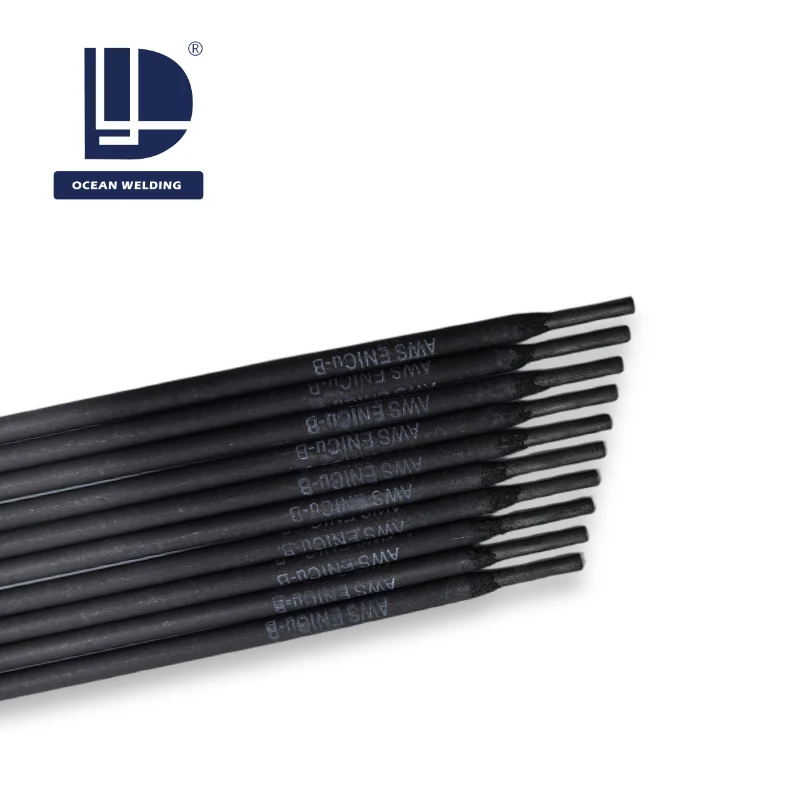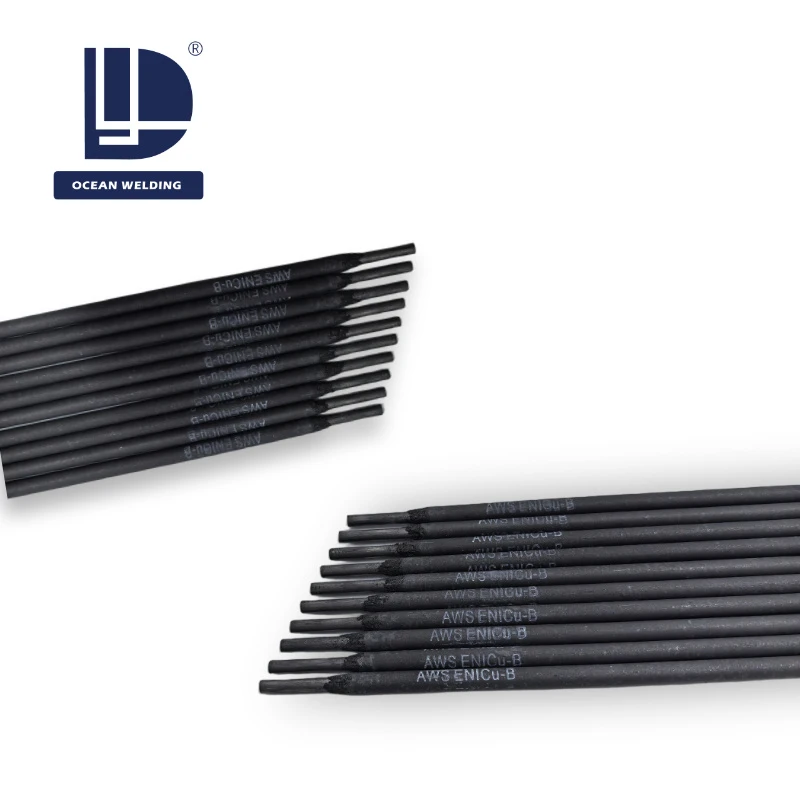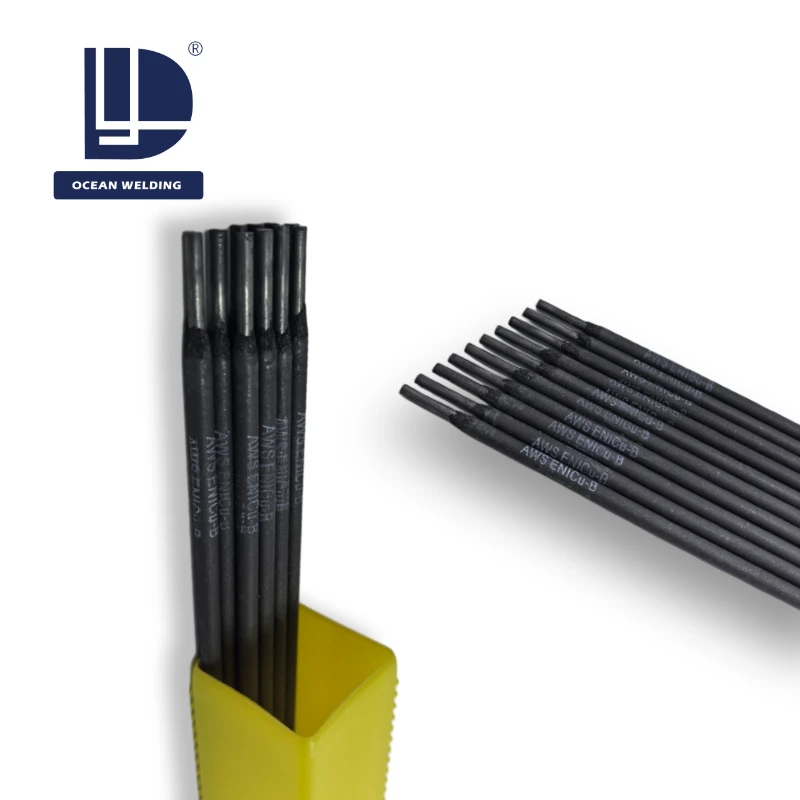
Nickel-copper welding electrodes play a critical role in industries where corrosion resistance and mechanical reliability are non-negotiable. Among these, ENiCu-B stands out as one of the most widely used electrodes for joining Monel and nickel-copper alloys in demanding environments.
Primary Applications of ENiCu-B
Classified under AWS A5.11, ENiCu-B is specifically designed for welding Monel 400 (UNS N04400) and similar nickel-copper alloys. Its balanced chemistry-featuring approximately 60% nickel and 30% copper-delivers exceptional resistance to seawater corrosion, hydrofluoric acid, sulfuric acid, and alkaline environments.
Common industries and applications include:
- Marine engineering: Ship propellers, hull components, seawater piping systems
- Desalination plants: Heat exchanger tubes, evaporators, and pressure vessels
- Chemical processing: Reactor vessels, storage tanks, and piping handling corrosive media
- Offshore oil and gas: Subsea equipment, wellhead components, and platform structures
- Power generation: Condenser water boxes and feedwater heater components
Dissimilar Metal Welding Capability
One of ENiCu-B's key advantages is its ability to weld nickel-copper alloys to dissimilar base metals such as carbon steel and stainless steel. This makes it invaluable for equipment requiring corrosion-resistant overlays on structural steel substrates.
Operational Advantages
ENiCu-B offers stable arc characteristics with minimal spatter, smooth bead appearance, and excellent slag removal. It supports all-position welding with DCEP polarity, making it suitable for both shop and field applications.
Quality Considerations
When sourcing ENiCu-B electrodes, verify AWS A5.11 certification, chemical composition test reports, and mechanical property data. Dayang Welding provides fully certified ENiCu-B electrodes with batch-level traceability, ensuring consistent performance in critical applications worldwide.