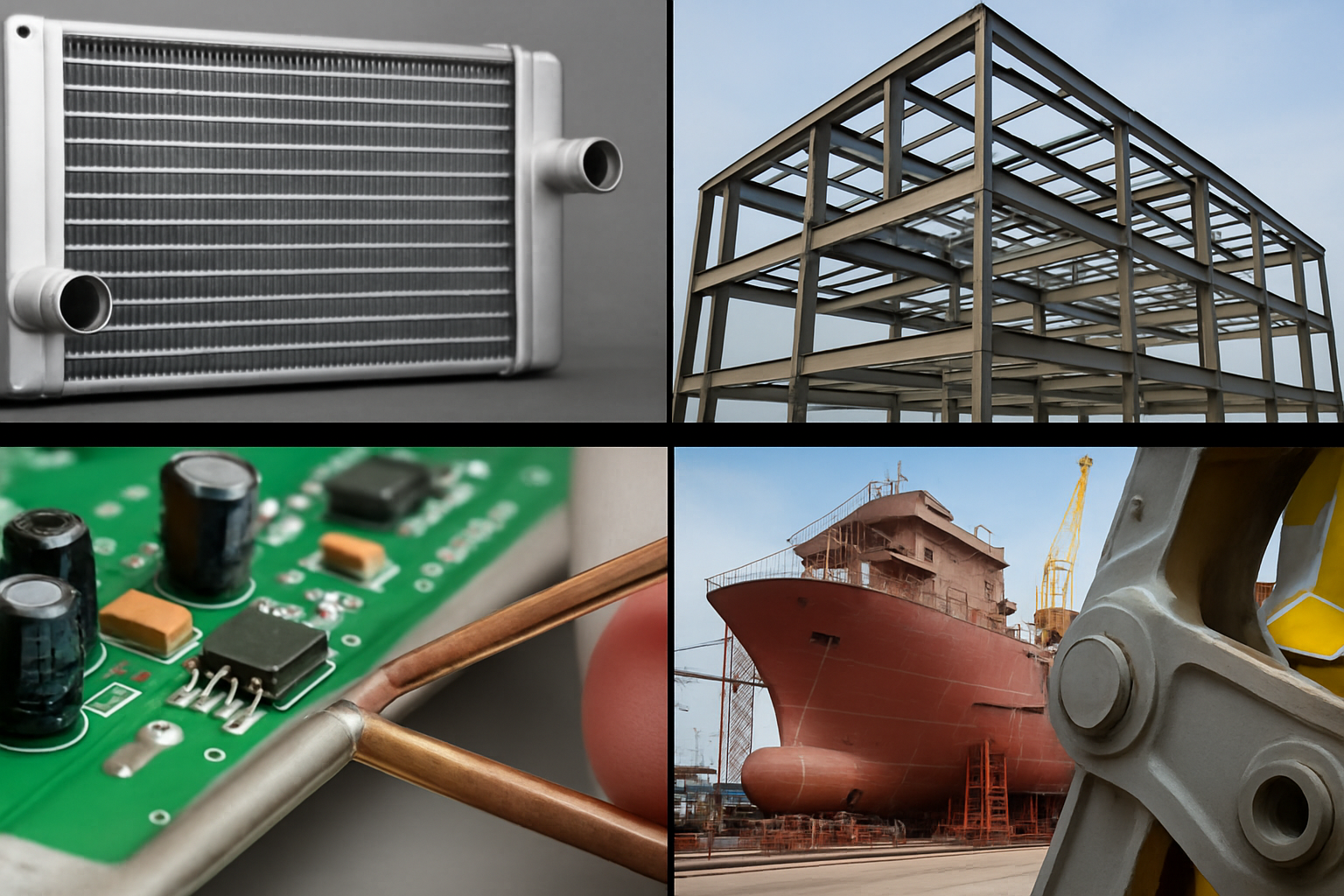
In the field of metal processing, permanently connecting two pieces of metal together is one of the core processes. Among the many connection technologies, welding and brazing are undoubtedly the two most mainstream methods. For a long time, a common idea is that welding must have a higher connection strength than brazing because it melts the parent material. But is this statement completely correct? In some cases, can brazing provide a more ideal connection than welding, or even better in comprehensive performance? This article will explore this topic in depth and reveal the truth for you.
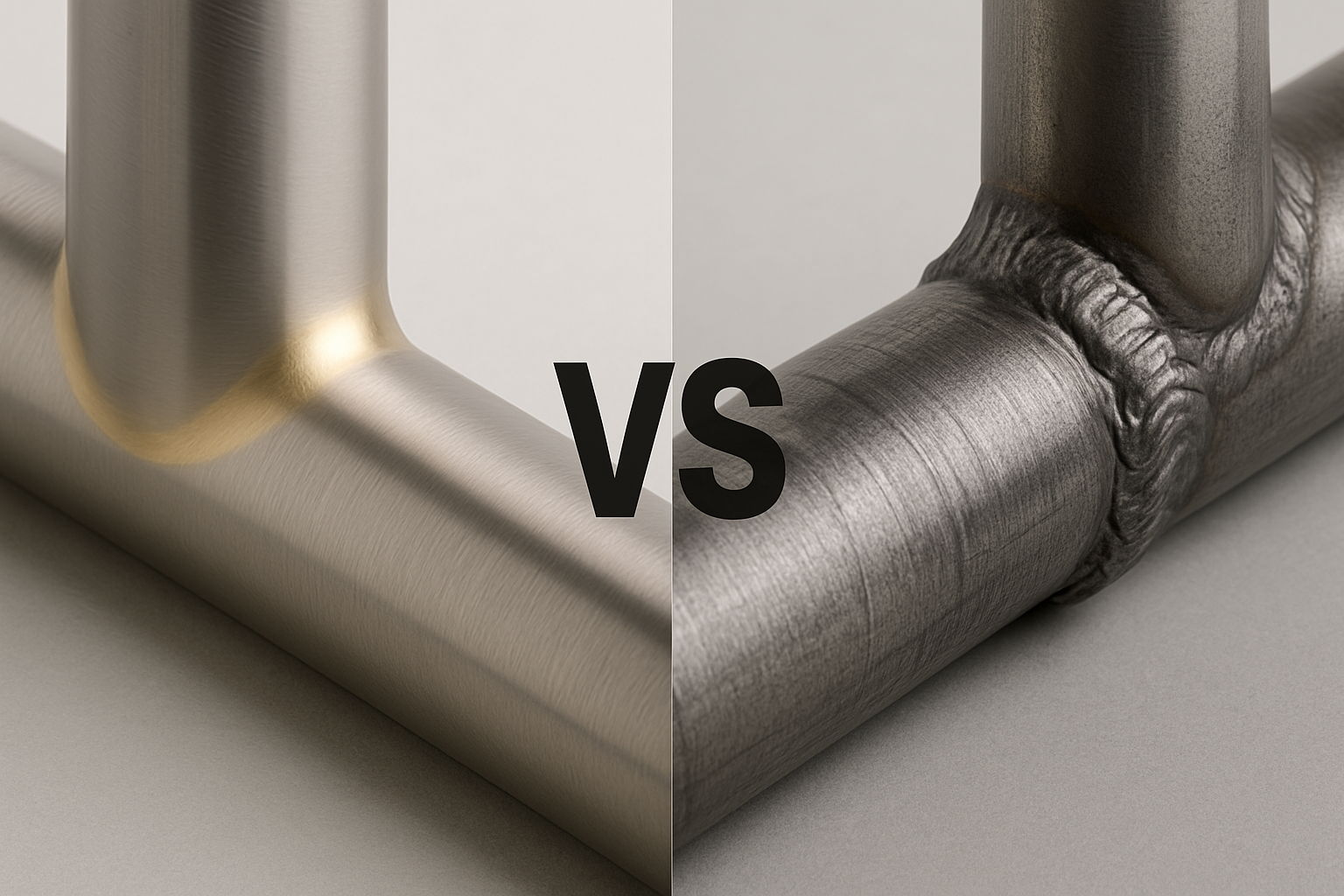
What's the Core Difference?
To compare strength, we must first understand the fundamental difference in the working principles of the two.
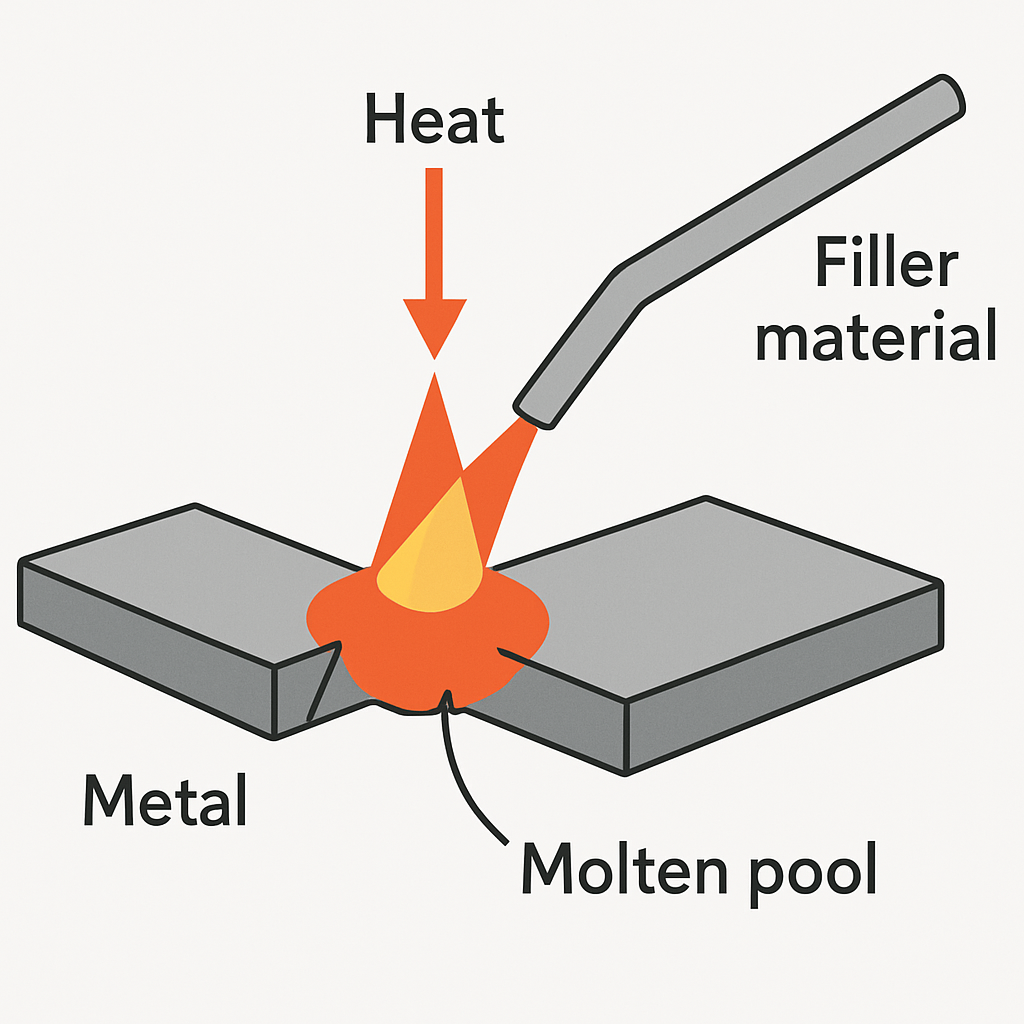
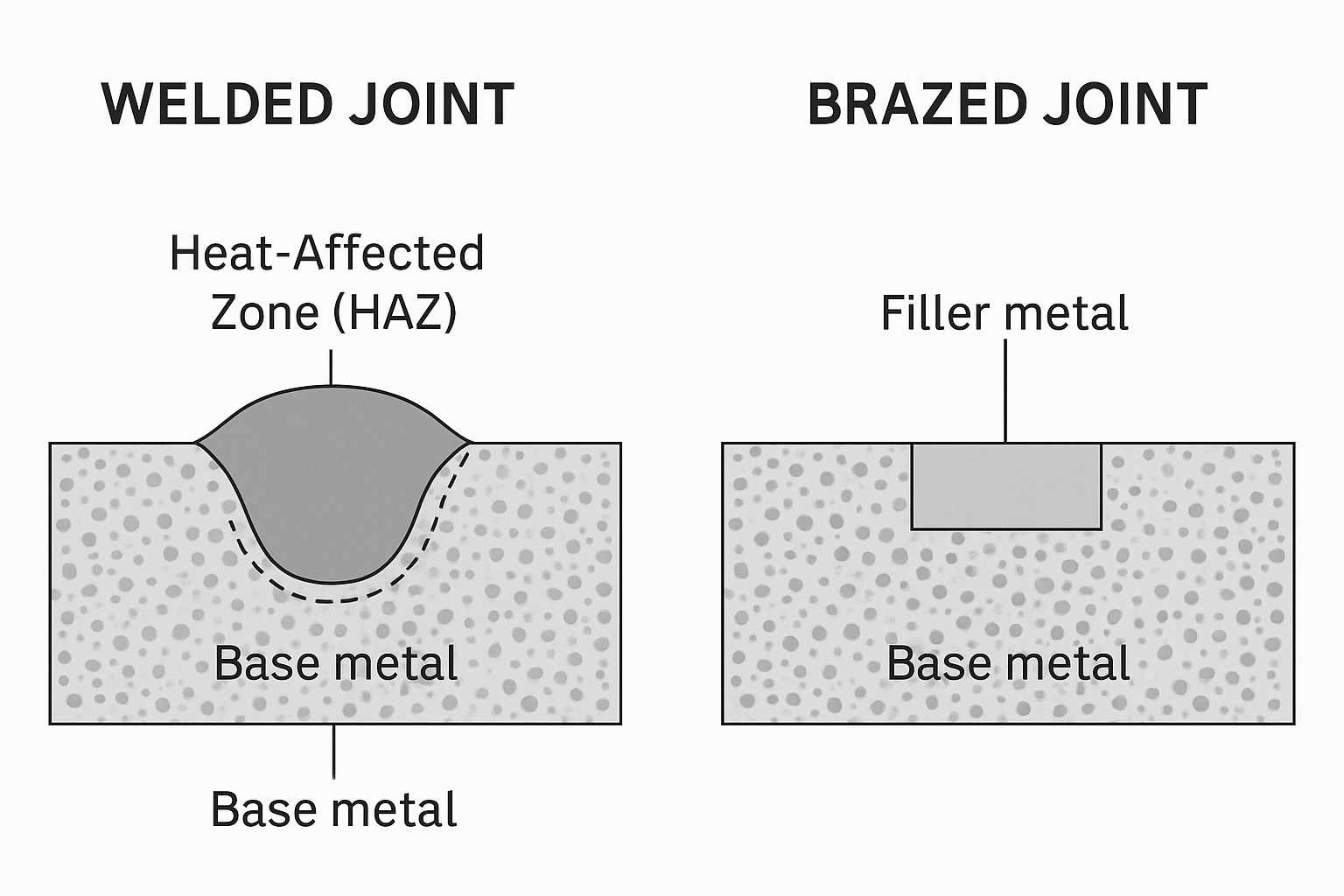
- Welding: Imagine melting the edges of two ice cubes with high temperature and then letting them refreeze together. Welding is like this. It uses extremely high temperatures (usually far exceeding 1500°C) through electric arcs, lasers or flames to melt the joints of the parent materials into a molten pool. Filler metal (solder) with similar composition to the parent materials is often added. After it cools and solidifies, the several parts are truly "grown" together to form a metallurgical whole.
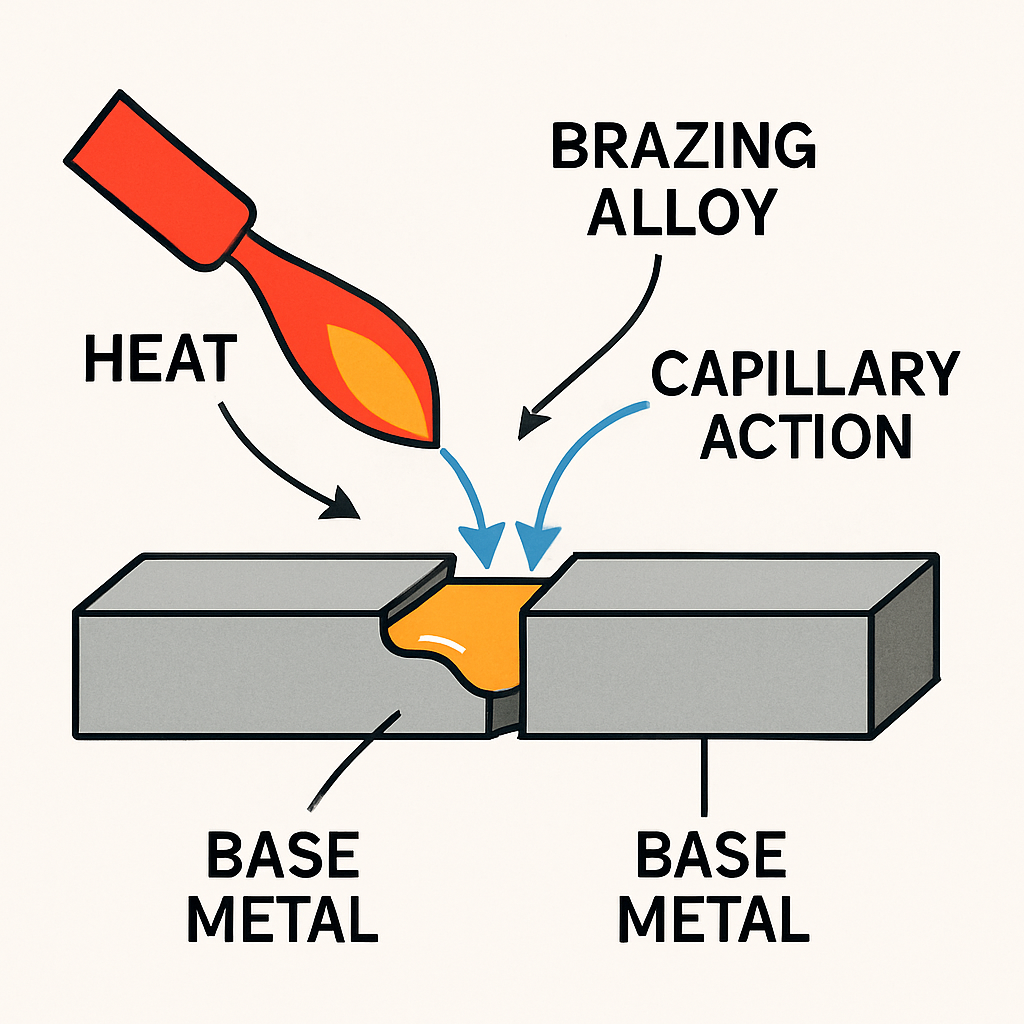
- Brazing: In contrast, brazing is more like using a high-performance "metal glue". Although its heating temperature is also higher than 450°C, it is always lower than the melting point of the parent materials being connected. During the brazing process, the parent material itself does not melt. Instead, it relies on the molten filler metal (brazing, such as copper-based and silver-based alloys) with a lower melting point to penetrate into the gap of the tightly matched joint through capillary action. After cooling, the brazing filler metal forms a strong metallurgical bond with the surface of the base material, thus connecting the workpieces.
Strength vs. Durability: A Head-to-Head Comparison
Now back to our original question: Which is stronger?
The answer is: In general, the ultimate tensile strength of welded joints is higher. This is because the complete fusion of the parent metals creates a continuous, uniform structure that can be as strong as or even stronger than the parent metal itself. This makes welding the best choice for building structures that need to withstand huge loads, such as bridges, ships, and heavy machinery.
However, this does not mean that brazing is weak. A well-designed brazed joint can also be stronger than the parent metal being joined. What's more, strength is not the only criterion for measuring the quality of a connection. In many applications, brazing shows unique advantages:
• Minimized thermal effects: The extremely high temperature of welding will form a "heat-affected zone" (HAZ) near the weld. In this area, the microstructure and mechanical properties of the parent material will change, such as becoming more brittle or generating internal stress, which in some cases will become a weak point in the structure. The temperature of brazing is much lower, and the effect on the properties of the parent material is minimal, which can better maintain the original toughness and strength of the material.
• Joining dissimilar metals: Welding two metals with very different melting points, such as steel and copper, is a huge challenge. Brazing, on the other hand, can easily join almost all dissimilar metals, and can even join metals to non-metallic materials such as ceramics, because it does not melt the parent metal.
• Better fatigue and impact resistance: Because the stress distribution of the joint is more uniform and the parent metal retains its original toughness, brazed joints perform better under certain vibration or impact loads.
The Smart Choice for Your Application
Strength numbers aside, the real wisdom lies in choosing the right technology for the right application.
When to Choose Brazing:
- Precision and Complex Assemblies: When dealing with thin-walled pipes, electronic components or complex aerospace parts, the low temperature characteristics of brazing can effectively avoid thermal deformation of the workpiece.
- Dissimilar material joining: This is the "ace area" of brazing, such as joining copper and aluminum tubes in automotive air conditioning systems.
- High cosmetic requirements: Brazing forms a smooth, clean weld with little post-grinding, which is ideal for consumer products and high-end equipment.
- High-volume production: The brazing process is easier to automate, which can significantly improve production efficiency and reduce dependence on operator skills.
When to Stick with Welding:
- Heavy-duty structures: Any heavy-duty application involving life safety and structural integrity, such as building steel structures, pressure vessels and automotive chassis, requires welding to provide the highest joint strength.
- Thick workpiece joining: For thick plate joining, welding can provide better penetration and more reliable fusion.
- High temperature working environment: Welded joints usually have better high temperature resistance than brazed joints because the melting point of the brazing material is lower.