


Recently, as international crude oil prices continue to rise, gasoline prices at gas stations around the world have risen almost all the time. Statistics show that since the beginning of this year, international crude oil prices have soared by more than 60%.
And what is the performance of oil prices in various countries? What is the reason behind the rise in oil prices?
Rising oil prices abroad
The latest data released by the National Bureau of Statistics recently showed that gasoline prices in the United Kingdom surged 19% year-on-year in September, reaching 1.35 pounds per liter, or about 11.86 yuan, the highest level in eight years-which also means compared with the same period last year , It costs 10.8 pounds, or about 95 yuan, to fill up a tank of fuel.

The U.S. supply chain continues to be tight. Not only has the price of daily necessities increased sharply, but the price of gasoline has also risen fiercely. It has reached the highest level in recent years, casting a shadow on the U.S. economic recovery.
In California, the "premium gasoline" at gas stations in individual remote towns has risen to approximately US$8.5 per gallon, or approximately RMB 14.33 per liter.
The current oil price in the Los Angeles area averages around US$4.5 per gallon, which has reached the highest level since October 2012.
Petrobras announced that it will once again raise the price of fuel sold to distributors from October 26. The prices of gasoline and diesel have risen by 7.04% and 9.15%, respectively.
According to a statement from the Venezuelan national oil company PDVSA, the Venezuelan government will increase the subsidized gasoline price by 20 times from Sunday. This is also the second time Venezuela has raised fuel prices after subsidies since June 2020.
In Japan, the retail price of regular gasoline has risen by about 20% this year, reaching 166 yen per liter, or about 9.3 yuan, a record high in 7 years.
The average gasoline price in South Korea has exceeded 1,700 won per liter, or about 9.3 yuan, for the first time in seven years.
As the world’s third largest consumer of oil, India’s gasoline prices have risen by 23% since the beginning of this year, reaching 107 rupees per liter, or about 9 yuan.
Many people who drive to work by themselves said that due to high gas prices, they now have to choose public transportation more. If gas prices rise further, they can only sell their cars.
Domestic oil prices rose for the 14th time and hit a new high
What about the trend of China's oil prices?
Since 2021, domestic refined oil products have gone through 20 price adjustment windows, of which 14 were raised, 3 were lowered, and 3 were stranded. A total of 1,700 yuan/ton was raised for gasoline, which was converted to 1.23 yuan/liter; a total of 1,635 yuan/ton was raised for diesel.
92# gasoline averages about 7.6 yuan/liter, 95# gasoline averages about 8.20 yuan/liter, 95# gasoline will fully enter the "8 yuan era", and the price of 98# gasoline has come to the "9 yuan era".
And based on this increase, filling a tank of 50 liters of gasoline currently costs at least 66.5 yuan more than the beginning of the year, and the price of oil has hit a new high this year!
In the two oil price adjustments that just ended in October, the price of oil has been raised sharply. The two increases totaled up to 645 yuan/ton, which is an increase of more than 50 cents. If you want to fill a car, it will be almost more. It costs about 25 yuan.
The province with the highest oil prices in the country still appears in Hainan Province. Before this adjustment, the average market price of 92 gasoline was 8.43 yuan/liter, 95 gasoline was 8.95 yuan/liter, and 98 gasoline exceeded 10 yuan/liter, reaching 10.12 yuan/liter. Rise.
But domestic oil prices will not continue to rise, because domestic oil prices have set a floor price of US$40 a barrel and a ceiling price of US$130 a barrel.
Reasons for rising oil prices
1. International crude oil prices have risen for two consecutive months. Increasing global inflation can be said to be the biggest driving force and the direct cause of the rise in oil prices.
During the epidemic and in the post-epidemic era, the world has launched a currency release model (such as the United States), and the liquidity of global currencies has increased by 100 billion in 2020 alone.
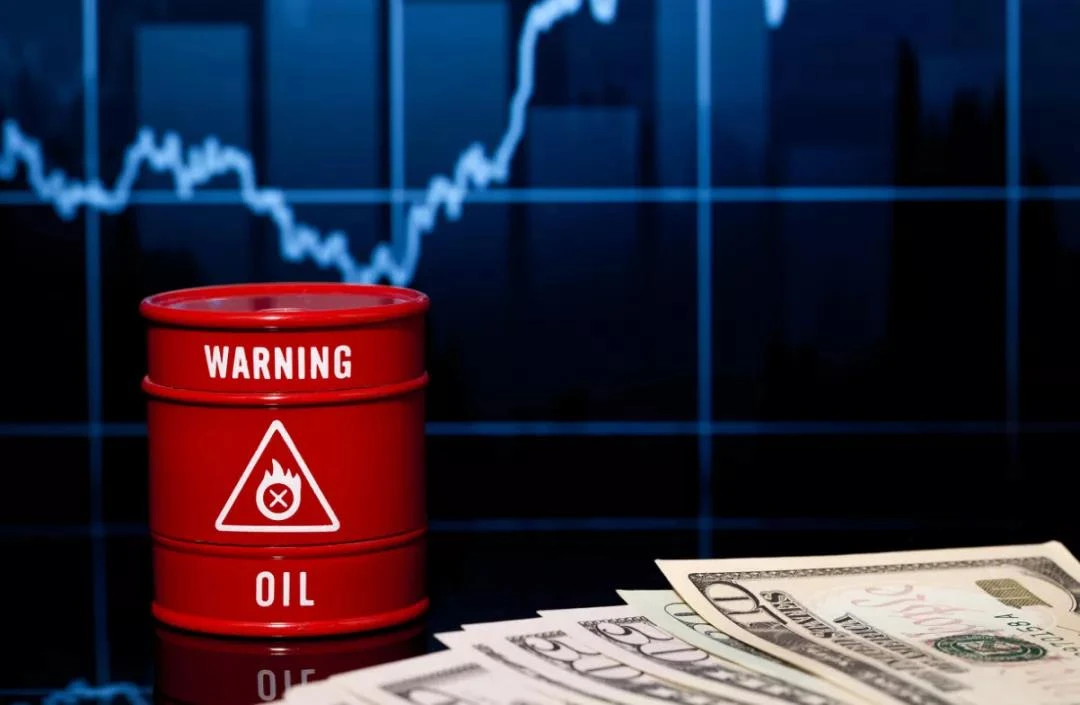
This part of currency liquidity has entered the energy material market, causing the prices of energy materials such as crude oil to continue to rise, and crude oil futures and price indices continue to break new highs.
2. From the perspective of crude oil production capacity, the oil price has risen for eight consecutive weeks this time, which is related to the production restriction of OPEC, an organization of oil-producing countries in the Middle East. In order to ensure its long-term oil economic profits and returns, OPEC only increases its total supply of 400,000 barrels per day per month.
From the perspective of oil demand, in recent months, economic recovery and liquidity have promoted global oil demand, but the supply of the oil market has been unable to keep up with the speed of demand, which has brought about a repairable increase in oil consumption demand, and prices have begun to rise.


