


According to Xinhua News Agency, a fierce gun battle broke out on the 5th near the Presidential Palace in Conakry, the capital of Guinea.
In the country’s television speeches, the military government announced the abolition of the constitution, the dissolution of the government, and the closure of land borders. At the same time, the military government promised to initiate national consultations to achieve an inclusive and peaceful transition.
However, at around 14:00 local time on September 5th, the Guinean government issued an announcement on social media stating that, thanks to the efforts of the Presidential Palace Guard and National Defense Forces, the offensive of the rebels has been contained and the rebels have been repelled.
The announcement stated that a group of Guinean special forces rebels opened fire in the capital city of Conakry in the early hours of the 5th, hoping to create fear and chaos before heading to the presidential palace in the city center. The Presidential Guards, National Defense and Security Forces and other forces jointly repelled the rebels. Related operations are still in progress to restore peace and order as soon as possible.
President Conte of Guinea and the Guinean government called on the people to remain calm during the military operations. Currently, UN Secretary-General Guterres has condemned the coup. The African Union also called on its Peace and Security Council to meet urgently on this matter.
China's important source of bauxite imports
It is reported that Guinea is extremely rich in mineral resources, with iron ore reserves exceeding 30 billion tons. In particular, the Simandou iron ore fascinated almost everyone.
The total reserves of this iron ore total more than 10 billion tons, and the overall ore grade, that is, the iron content is about 66% to 67%. This is considered to be the world's unmined iron ore with the largest reserves and the highest ore quality. Australia and Brazil, which have the highest iron ore grades, have only 48% and 52% iron content.
Many global mining giants have invested heavily in Guinea to mine iron ore and bauxite.
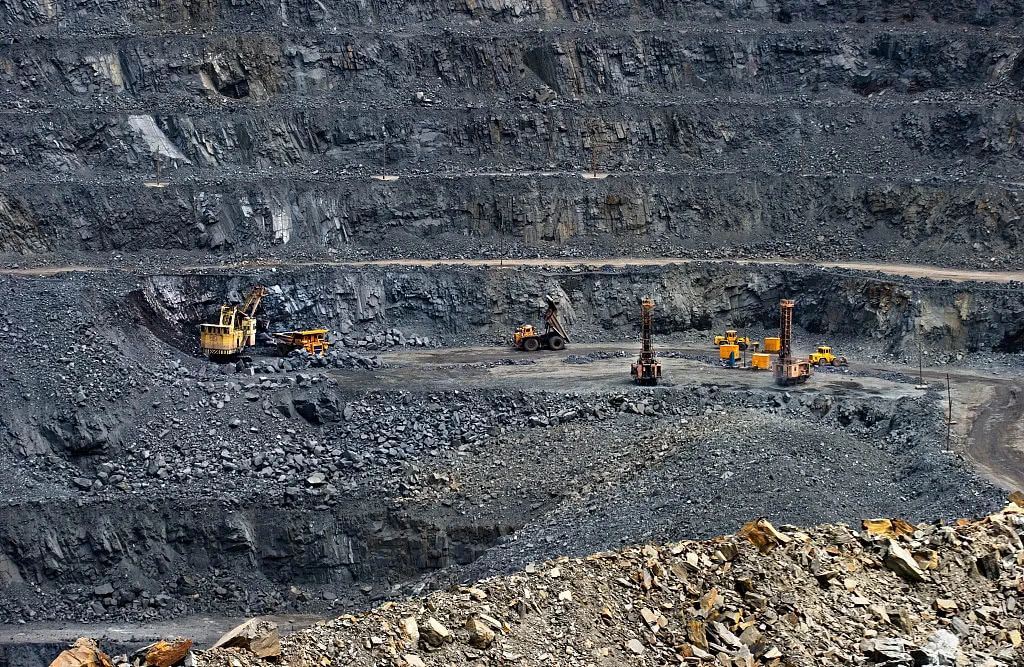
Regarding bauxite, Guinea is an important bauxite producing area in the world and an important source country for China's bauxite imports. Its bauxite exports to China are almost tied for the first place with Australia. According to government data, Guinea exported 82.4 million tons of bauxite to the world last year, most of which went to China.
According to Chinese customs data, in 2020, China imported 111.537 million tons of bauxite, a year-on-year increase of nearly 11%. Among them, imports from Guinea were about 52.6701 million tons, accounting for 47.2% of total imports, a year-on-year increase of 18.51%.
It is reported that the main source countries of China's imported bauxite are Guinea, Australia and Indonesia. These three countries account for more than 90% of China's bauxite imports. Among them, Africa's Guinea accounts for half of China's total bauxite imports.
If the local political instability affects any link of local production, transportation and export, it may cause global bauxite supply concerns, which will directly affect short-term international bauxite prices and push up the cost of raw materials in the aluminum market.
Global bauxite supply may be affected
Recently, affected by factors such as tight supply and good destocking, domestic and foreign aluminum prices have been rising all the way, setting new highs in more than ten years. Therefore, the supply of bauxite is unstable, and the market expects that short-term aluminum prices will receive new bullish support.
From the perspective of disk performance, at 8 o'clock on the 6th Beijing time, after the opening of the London Metal Exchange (LME) electronic trading, the LME aluminum futures price gapped slightly to open higher, and once again set a new high since May 2011. Shanghai Aluminum also rose rapidly after the opening of the market, once approaching the 22,000 yuan/ton mark.
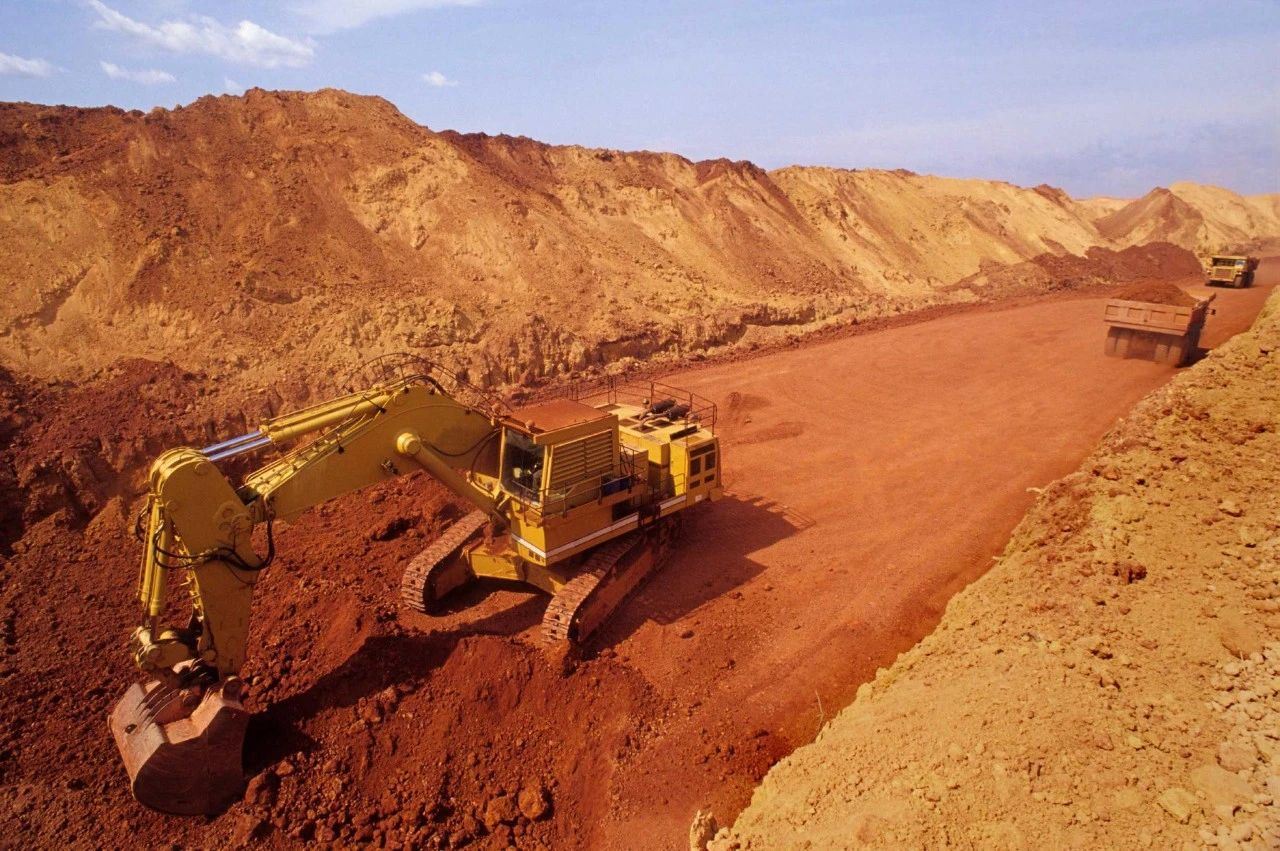
RUSAL is investing heavily in the development of bauxite in Guinea. According to a company spokesperson, the Guinea mutiny may have an impact on its aluminum output. According to Rusal, Guinea accounted for approximately 9% of the company’s alumina output in the first half of this year.
Tom Price, head of commodity strategy at Liberum Capital, a British investment bank, said that the mutiny in Guinea "may have a speculative impact on aluminum prices, but it will have a greater impact on alumina prices, because this incident has a more direct impact on it... This incident will give rise to new supply security risks."
As the global economy recovers from the impact of the epidemic, the price of aluminum in London has risen by about 50% in the past year, which is close to the highest level in a decade. On Monday morning, spurred by the news of the mutiny in Guinea, the main Shanghai aluminum futures once surpassed nearly 3%, rising to a ten-year high.
Shares of Norsk Hydro and other aluminum companies rose sharply. Hydro rose as much as 5%, reaching a new high in more than 13 years, while the Moscow-listed Rusal jumped more than 4%, and its share price hit a record high.
Although the leaders of the military government urged miners to continue operations, aluminum futures continued to rise.


